



Which color marble is best for flooring?
Marble is one the trendy natural stones that adds beauty to the flooring. It has the ability to change the look and feel of the place. It is one of the majors that needs to be chosen very carefully as it is highly responsible to impact the luxurious, elegant, and high-end appearance of a place. Above all, the best part is it is very durable and long-lasting. It comes in different colors. You can choose from a vast color palette. Each color will add a unique appearance and feel to any space. Hence, it is better to choose the color that suits your aesthetics and while choosing the marble flooring color, one can never go wrong. If you are planning to renovate your home and are confused about the combination of colors, this blog is for you. This guide will tell you about popular colors of marble to create a very unique and personalized look.
Different Colors Of Marble Flooring
White Marble
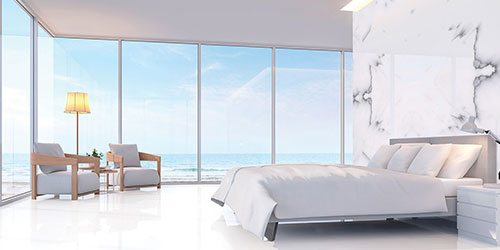
White marble is a popular choice amongst homeowners due to its pure beauty and adaptability. White marble is perfect for giving a sense of space and light in modern kitchens, bathrooms, and living areas. Its timeless beauty is undeniable, and it can transform any area into a classic beauty. Here's a brief of white marble:
Examples of White Marble in Home
- Kitchen: White marble is perfect for kitchen countertops. It reflects light, making the area appear brighter and larger. When combined with minimalist cabinetry, it will add a clean and classy look.
- Bathrooms: Marble tiles give the bathroom a luxurious feel. It can be used on the floor, the wall, or as a vanity top. The natural veining of the marble provides a distinct element to each bathroom design.
- Living Rooms: A white marble fireplace or coffee table can provide an excellent feel in a living room. It adds luxury and looks great with a variety of color palettes.
- Entryways: Marble flooring in entryways provides an amazing greeting. It is durable enough to resist heavy traffic while preserving its attractive design.
Tips for Incorporating White Marble
- Mixing white marble with other materials like wood, metal, or glass will create a balanced and modern effect. It will make a space more visually appealing.
- Each marble slab is different. Hence, choose an invigorating pattern that complements your room's décor. You can go for either a delicate pattern to dramatic appearance.
- Marbles have tiny holes that can make it stain easily. To keep it look fresh, clean it on a regular basis if you find any spills.
- If you have already used marble in your room and it feels overwhelming, try using it as a backsplash or a decorative shelf.
- Marble itself is enough to transform your space. But proper lighting can bring out the natural beauty of marble. So, think about how natural and artificial light will interact.
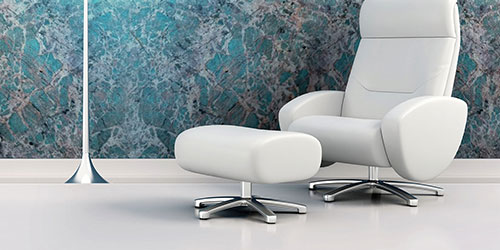
Green Marble
Green marble, with its natural colors and relaxing appearance, is gaining popularity in interior design. It adds an organic elegance and a refreshing touch to a variety of settings, making it great for individuals looking to connect with nature in their homes. Here's a more in-depth look at the appeal of green marble, complete with samples and tips:
Example of Green Marble in Interior Design:
- Kitchens: Green marble countertops or backsplashes can add vitality and warmth to your kitchen. It works well with both light and dark cabinets, adding a distinctive and welcome setting.
- Bathrooms: Using green marble on bathroom vanity tops or shower walls can create a spa-like atmosphere. It works especially well in bathrooms with natural light, creating a sense of calm and relaxation.
- Living Rooms: Using green marble in living rooms such as a coffee table, side table, or fireplace surround adds sophistication and natural beauty.
- Accent Walls: A green marble accent wall may be a wonderful feature in any space, bringing nature indoors and capturing everyone’s attention.
- Flooring: Marble flooring in a gentle green color may transform hallways and entryways into attractive and welcoming settings.
Tips for Incorporating Green Marble
- Complement with natural elements. Green marble's natural charm can be enhanced by pairing it with wood, plants, or water features. This combination can result in a harmonic and balanced environment.
- Select Complementary Colors: Green marble looks great with earth tones, whites, and even soft pastels. These pairings might bring out the marble's natural beauty without overwhelming the space.
- Lighting is important: Proper lighting may highlight the depth and differences in the marble. Consider how different light sources will affect the green tones.
- Maintenance: Green marble, like white marble, requires regular cleaning to avoid discoloration.
Green marble is an excellent choice for adding a sense of nature to interior spaces. Its relaxing and striking appearance make it an excellent choice for both modern and classic interiors.
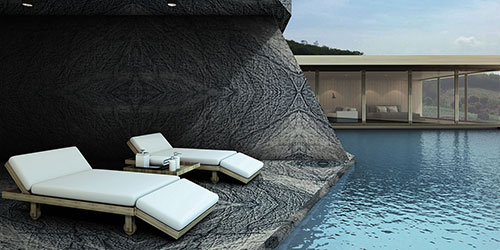
Black Marble
The luxurious appeal of black marble is well known for its dramatic and sophisticated presence in interior design. Its bold and dramatic appearance makes it a popular choice for creating focal points in a variety of situations, providing a spectacular contrast to lighter aspects of design. Black marble is particularly popular in high-end designs that emphasize luxury and beauty. Here's a more in-depth look at the attractiveness of black marble, complete with samples and tips:
Examples of using black marble in interior design
- Kitchens: Black marble countertops are a symbol of richness and style. They make a striking contrast against light cabinets or stainless steel appliances, adding to the kitchen's overall appearance.
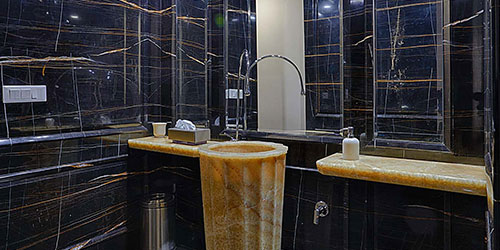
- Bathrooms: Using black marble on the floors, walls, and vanity tops provides a sophisticated elegance. It looks great with chrome or gold fittings for a luxurious touch.
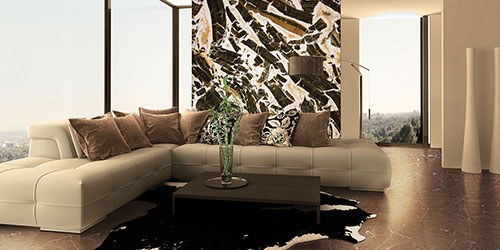
- Living Rooms: A black marble fireplace or a sleek coffee table can serve as the focal point in a living room, adding a smart and modern touch.
- Dining Rooms: A black marble dining table may elevate the dining area to a sumptuous setting, ideal for sophisticated dinner gatherings.
- Accent Features: Black marble accent walls, columns, and flooring may lend depth to any room, from entryways to home offices.
Tips for incorporating black marble
- Balance with Lighter Tones: To prevent overwhelming a room, pair black marble with lighter tones in furniture, walls, and textiles.
- Play with Textures: Combining textures, such as black marble and soft materials or matte finishes, can offer depth and interest to your design.
- Proper Lighting: Adequate lighting is essential for highlighting the beauty of black marble. Consider how natural and artificial light will affect the marble's surface.
- Maintenance: Black marble, like other marble kinds, requires care to retain its shine. Regular cleaning is required because it shows dust and fingerprints more quickly.
- Use as an Accent: For a more subtle impression in smaller rooms, use black marble as an accent in accessories, backsplashes, or tiny furniture.
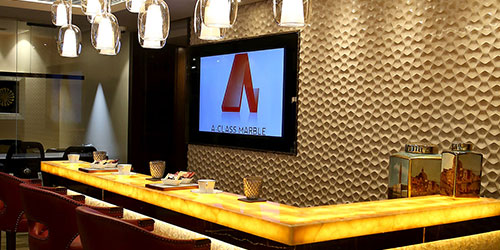
Beige, Brown, And Gold Marble
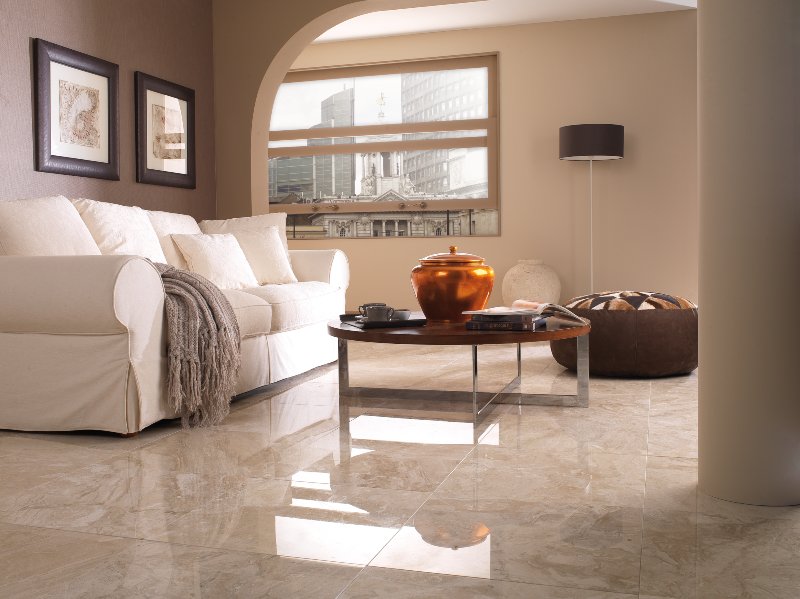
The increasing use of Beige Italian Marble, brown, and gold marble in interior design reflects a trend toward warmer, more inviting tones in modern environments. With their natural warmth and richness, these hues can convert any space into a comforting yet beautiful retreat. These marbles, which range from mild beige to deep browns and dazzling golds, add a sense of comfort and sophistication to interior spaces. Here's a closer look at how beige, brown, and gold marbles can be used efficiently in 2024:
Example of Beige, Brown, and Gold Marble in Interior Design:
- Kitchens: Warm marble countertops will provide for an inviting and sophisticated kitchen environment. They look well with hardwood cabinets or contrast nicely with white or black units.
- Bathrooms: Using these marbles as vanity tops or wall cladding adds a sense of grandeur. Warm hues can make a space feel more welcoming and calming.
- Living Areas: A Beige Italian Marble, brown, or gold marble fireplace or coffee table can add warmth and grandeur to the area.
- Flooring: Marble flooring in these colors can bring depth and warmth to a room, particularly in larger, open-plan areas where they can smoothly connect different zones.
- Accent Walls: A feature wall in one of these marbles may provide a striking focal point in any room, from dining rooms to entryways.
Tips for Using Warm Marble Tones
- Complementary Colors: These warm marble tones work nicely with many complementary colors, such as creams and greens.
- Natural Light: Using these marble tones in places with plenty of natural light adds warmth and highlights minor differences in color and pattern.
- Textures & Materials: Combine these marbles with soft fabrics, wood, or matte metals to create a multidimensional and inviting interior.
- Maintenance: As with all marble, frequent sealing and spill cleaning are vital for maintaining the stone's beauty and integrity.
- Subtle Accents: If huge marble installations are not an option, consider using these colors in smaller accents such as backsplashes, tabletops, or decorative items.
Grey Marble
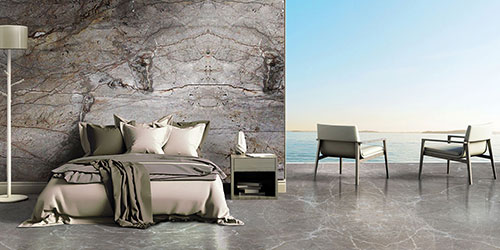
Gray marble is an ideal choice for those who want subtle beauty and diverse design in their homes. Its modesty enables it to blend in with both contemporary and traditional styles. Gray marble creates a neutral yet distinct backdrop that complements a variety of color schemes and design features. Here's a thorough examination of the attractiveness of gray marble, as well as examples and suggestions for incorporating it into interior spaces:
Examples of Italian gray marble in interior design:
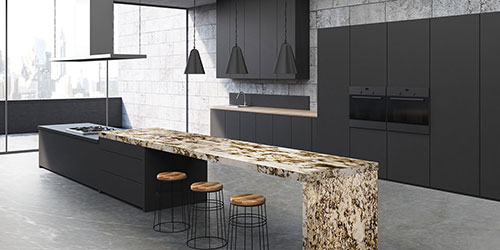
- Kitchens: Gray marble countertops or islands can serve as a classy yet useful focal point. They work nicely with both light and dark woodwork, creating a balanced appearance.
- Bathrooms: Gray marble on shower walls, floors, or vanity tops provides a sense of luxury. Its neutral tone blends well with diverse fittings.
- Gray marble can be used in living room features like fireplace surrounds, coffee tables, and accent walls to provide a polished and modern look.
- Gray marble flooring may make hallways or bigger spaces feel more open and light, while also adding sophistication.
- Decorative Accents: Smaller accents such as gray marble vases, lamp bases, or utility counters can improve the overall look of the home.
Tips for incorporating gray marble:
- Gray marble pairs well with a variety of colors. Soft pastels, bright hues, and monochromatic themes all complement its neutral palette.
- A polished finish can add elegance, whereas an honed finish creates a more subtle, matte appearance.
- Proper lighting will bring out the unique veining and intricacies in gray marble. Natural light highlights its various tones and textures.
- Mix with other materials. Gray marble can be combined with wood, metal, or glass to produce a balanced and modern aesthetic. It's adaptable enough to compliment a wide range of textures and finishes.
- Regular sealing and careful washing are required to preserve the beauty of gray marble, which is prone to stains and etching.
Wrapping Up
The color of marble flooring is mainly dependent on your personal tastes and design aesthetics. Whether you choose the timeless beauty of white marble, the warmth of beige marble, or the grandeur of Italian gray marble, there is a color selection to suit any style or area. By carefully comparing the advantages and disadvantages of each marble hue and taking into account aspects such as lighting, maintenance, and budget, you can make an informed decision that will improve the beauty and value of your home for years to come. If you are planning to renovate your home and got stuck in finding the best color, we’re here for you. We have compiled a list of best marble colors for home flooring. A-class marble deals with all types of marble at a competitive price. Visit our website and get ready for your home project.


Sitemap
- Newsletter
- Catalouge
- Gallery
- Legal & Privacy
- Career
- Share
- Media
- News & Events
- Press Coverage
- Blogs
- Awards
- Signature
- Thasos White
- White Venezuela
- Swiss White
- Rosso Portugal
- Afyon White
- Michel Angelo
- Brazilian White
- Pristine
- Sivec White
- Bianco Scala
- Ari Stone White
- Panda White
- Statuario Toh
- Metallica White
- Golden Spider
- Classique
- De Martino
- Bottichino
- Perlato Sicilia
- Perlato Royal
- Extra Light
- Crema Marfil
- Bianco Marfil
- Virtual Applicator
- Kitchen
- Bathroom
- Bedroom
- Clientele
- Clients
- Testimonial
- Melange
- Red Lavante
- Red Chigani
- Red Verona
- Enigma
- Nero Saint Laurent
- Belgium Black
- Silver Portoro
- Umber
- Dorato Travertino
- Titanium Travertino
- Beige Travertino
- Rustica
- Blue Pearl
- Black Pearl
- Antique Brown
- Exotica
- EXO Brown
- Marinace Black
- Labradorite
- Opera
- Blue Onyx
- Pink Onyx
- Beige Onyx
- Bejewel
- Mother Of Pearl
- Black Mother Of Pearl
- Tiger Eye Black
- Contact
- RAJASTHAN
- NEW DELHI
- GURGAON
- AHMEDABAD
- Exotica
- EXO Brown
- Marinace Black
- Labradorite
- Opera
- Blue Onyx
- Pink Onyx
- Beige Onyx
- Bejewel
- Mother Of Pearl
- Black Mother Of Pearl
- Tiger Eye Black
- Avant Garde
- Brazilian Moon Face
- Statuario Moon Face
- Snow White
- Marble Art Decor
- Array of Emotions
- Avighna
- Humming The Harmony
