







Marble Tiles vs. Ceramic Tiles: What to Choose for Your Home?
When it comes to choosing the best tiles for your home, the choice can be overwhelming. The flooring you choose will certainly have a long-lasting impact on the general aesthetic, resilience, and even the value of your home. Two of the most popular options are marble tiles and ceramic tiles. While both are outstanding selections, they vary in terms of appearance, expense, longevity, and maintenance. In this blog, we'll compare Marble Tiles vs. Ceramic Tiles to help you make the best choice for your space.
1. Appearance and Aesthetic Appeal
The first thing people observe about tiles is their appearance, and both marble and ceramic tiles have their special appeal.
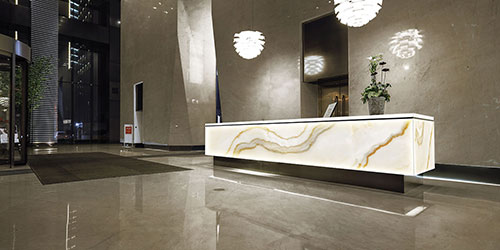
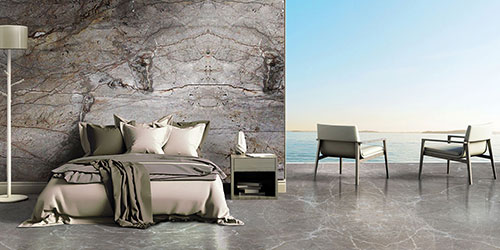
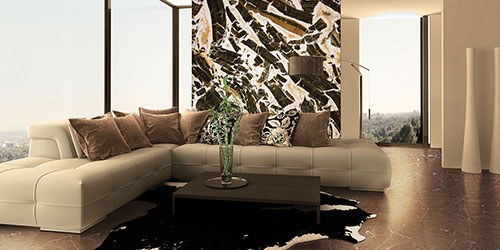
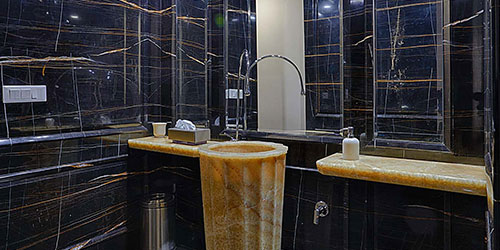
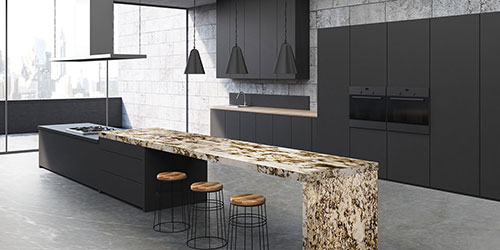
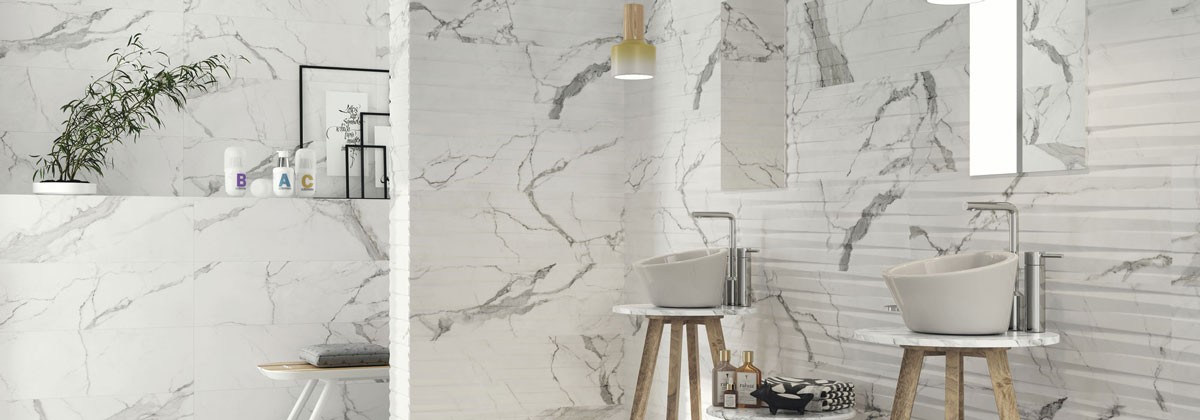
- Marble Tiles: Marble tiles are understood for their all-natural, timeless sophistication. The special veining patterns and natural shade variations create a lavish look that adds refinement to any room. Marble tiles are frequently utilized in high-end homes and business areas since they provide an elite aesthetic that other materials battle to match. Each ceramic tile is one-of-a-kind as a result of the natural formation of marble, providing an unique, imaginative want to your flooring or wall surfaces.
- Ceramic Tiles: Ceramic tiles are available in a large selection of colors, patterns, and surfaces, making them extremely flexible. They can be made to resemble the appearance of all-natural rock, wood, or various other materials, allowing you to create virtually any kind of style you desire. Ceramic tiles can fit a variety of design motifs, from contemporary and sleek to typical and rustic. While ceramic tiles don't have the very same natural appeal as marble, their convenience and capability to resemble various other products make them a prominent selection for numerous home designs.
2. Resilience and Durability
When comparing Marble Tiles vs. Ceramic Tiles in regards to sturdiness, both alternatives have their toughness, yet their longevity mainly relies on where and how they're mounted.
- Marble Tiles: Marble is an all-natural stone, which suggests it's exceptionally resilient when appropriately maintained. However, because marble is porous, it's more susceptible to scrapes, stains, and engraving from acidic substances like vinegar or citrus. It's additionally a lot more prone to cracking or breaking compared to ceramic, particularly if installed in high-traffic areas. Nonetheless, with correct treatment and sealing, marble ceramic tiles can last for decades and keep their stunning look.
- Ceramic Tiles: Ceramic tiles are incredibly long lasting and resistant. They are less likely to fracture, chip, or show signs of damage, making them perfect for high-traffic locations like kitchens and bathrooms. Ceramic is also moisture-resistant, which makes it ideal for wet locations such as showers. While ceramic tiles may not be as sophisticated as marble, they are hard-wearing and can last a lifetime with minimal maintenance.
3. Cost Comparison
Spending plan is often a major aspect when selecting between Marble Tiles vs. Ceramic Tiles. The cost of materials and setup can vary widely between both.
- Marble Tiles: Marble is among the more expensive choices when it comes to floor covering and wall surface coverings. The expense of marble tiles typically ranges from $10 to $20 per square foot, relying on the top quality and rarity of the rock. Installation prices for marble can also be higher, as it needs proficient labor to ensure proper securing and fitting. Regardless of the greater initial financial investment, several homeowners see marble as a worthwhile expense because of its lavish appearance and capability to boost property worth.
- Ceramic Tiles: In contrast, ceramic tiles are much more economical. Costs for ceramic tiles generally vary from $1 to $7 per square foot, making them a budget-friendly choice for many homeowners. Installment costs for ceramic floor tiles are additionally reduced considering that the product is easier to collaborate with. If you're seeking a cost-efficient yet fashionable solution, ceramic floor tiles supply outstanding worth for money.
4. Maintenance Requirements
Reduce of maintenance is one more vital aspect to think about when determining in between Marble Tiles vs. Ceramic Tiles.
- Marble Tiles : Marble requires normal upkeep to maintain it looking its best. Because it's a porous stone, it requires it to be secured frequently to avoid spots and etching. Spills need to be wiped up right away to avoid damage, and severe cleaning products should be avoided. Marble also calls for more careful handling throughout daily tasks, as it can damage or dull in time. For home owners happy to spend the moment and effort right into preserving marble, the outcome is an attractive, durable surface area.
- Ceramic tiles : Ceramic ceramic tiles, on the other hand, are much easier to care for. They are non-porous, so they do not need to be secured, and they're immune to discolorations and moisture. Regular cleaning with a wipe or sponge and a light cleansing service is usually adequate to maintain ceramic tiles looking their ideal. Ceramic is a low-maintenance choice that calls for marginal maintenance, making it ideal for active households or business rooms.
5. Water Resistance and Heat Resistance
The water and heat resistance of a floor tile can be vital, specifically precede like bathroom and kitchens.
- Marble Tiles: Marble is not as immune to water as ceramic tiles. While it can be sealed to improve its water resistance, the porous nature of marble makes it a lot more prone to water damages with time. Marble can deal with modest warmth but may struggle with staining or fracturing if revealed to extreme temperature level modifications.
- Ceramic Tiles: Ceramic ceramic tiles are very immune to both water and warmth, making them a great selection for kitchen areas, shower rooms, and various other moisture-prone locations. Their waterproof homes make them less likely to deal with damages in wet environments, and they can hold up against high temperatures without splitting or discoloration.
6. Environmental Impact
As environmental awareness grows, numerous property owners are taking into consideration the ecological influence of their building materials.
- Marble Tiles: Marble is a natural product, which implies it's even more lasting in terms of manufacturing compared to synthetic materials. Nonetheless, the process of quarrying and transporting marble can have a substantial ecological impact. The long life expectancy of marble ceramic tiles, though, does contribute positively by reducing the requirement for substitutes over time.
- Ceramic Floor tiles: Ceramic tiles are made from all-natural clay and various other minerals, making them fairly green. The manufacturing procedure can differ in its environmental influence depending upon the energy resource made use of by the factory, yet ceramic tiles usually have a reduced carbon impact compared to products like vinyl or laminate. Furthermore, ceramic floor tiles are long-lasting and recyclable, making them an environmentally liable option.
Final thought: Which One Should You Choose?
When it comes to choosing between Marble Tiles vs. Ceramic Tiles, your choice eventually relies on your individual preferences, spending plan, and the certain requirements of your room. If you're searching for deluxe, sophistication, and a classic visual, marble ceramic tiles are a great choice, however be planned for a higher price and even more upkeep. On the other hand, if sturdiness, adaptability, and affordability are your priorities, ceramic floor tiles may be the much better choice.
If you determine that marble ceramic tiles are the appropriate selection for your home, consider buying from A-Class Marble, a reliable and reliable business recognized for supplying premium marble, granite, and various other all-natural rocks. Their wide choice of premium materials ensures you'll discover the ideal suitable for your design and practical demands.
Also Read: Marbles Vs. Tiles - Which is Better Tiles or Marble?


Sitemap
- Newsletter
- Catalouge
- Gallery
- Legal & Privacy
- Career
- Share
- Media
- News & Events
- Press Coverage
- Blogs
- Awards
- Signature
- Thasos White
- White Venezuela
- Swiss White
- Rosso Portugal
- Afyon White
- Michel Angelo
- Brazilian White
- Pristine
- Sivec White
- Bianco Scala
- Ari Stone White
- Panda White
- Statuario Toh
- Metallica White
- Golden Spider
- Classique
- De Martino
- Bottichino
- Perlato Sicilia
- Perlato Royal
- Extra Light
- Crema Marfil
- Bianco Marfil
- Virtual Applicator
- Kitchen
- Bathroom
- Bedroom
- Clientele
- Clients
- Testimonial
- Melange
- Red Lavante
- Red Chigani
- Red Verona
- Enigma
- Nero Saint Laurent
- Belgium Black
- Silver Portoro
- Umber
- Dorato Travertino
- Titanium Travertino
- Beige Travertino
- Rustica
- Blue Pearl
- Black Pearl
- Antique Brown
- Exotica
- EXO Brown
- Marinace Black
- Labradorite
- Opera
- Blue Onyx
- Pink Onyx
- Beige Onyx
- Bejewel
- Mother Of Pearl
- Black Mother Of Pearl
- Tiger Eye Black
- Contact
- RAJASTHAN
- NEW DELHI
- GURGAON
- AHMEDABAD
- Exotica
- EXO Brown
- Marinace Black
- Labradorite
- Opera
- Blue Onyx
- Pink Onyx
- Beige Onyx
- Bejewel
- Mother Of Pearl
- Black Mother Of Pearl
- Tiger Eye Black
- Avant Garde
- Brazilian Moon Face
- Statuario Moon Face
- Snow White
- Marble Art Decor
- Array of Emotions
- Avighna
- Humming The Harmony
