



Marble's Silent Symphony in Sustainable Architecture
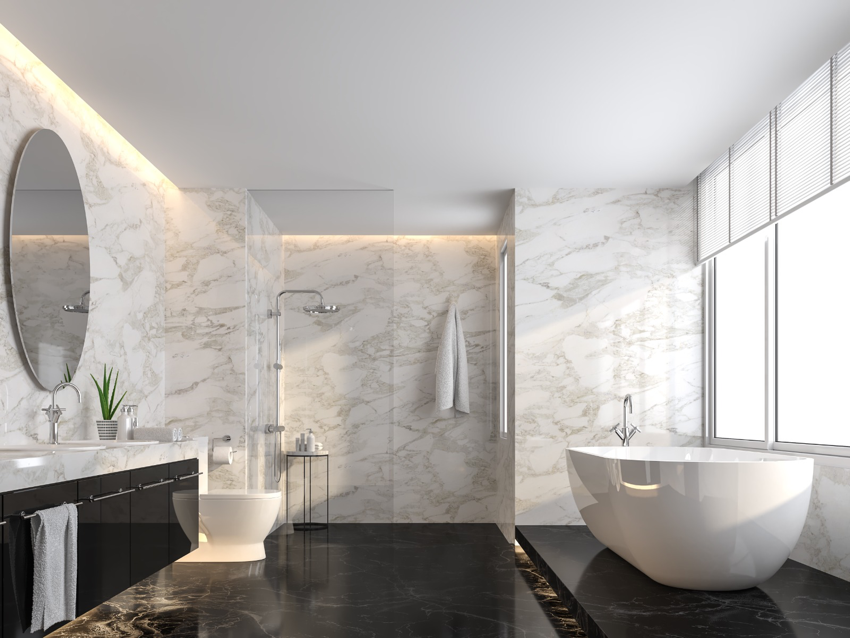
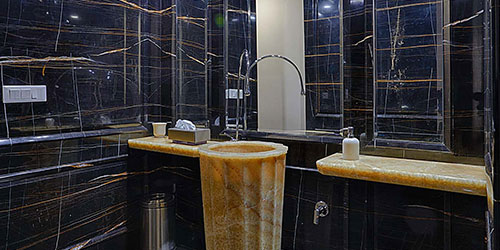
In sustainable architecture's nuanced realm, each material plays an important role, contributing to the rhythm of eco-friendly design. Notably, marble emerges as a prominent participant. As the architectural landscape evolves, marble’s inherent qualities prove indispensable, especially in the context of sustainable building practices. Marble and stones such as White Onyx Marble, Statuario Marble, Calacutta Statuario Gold, Beige Travertine Marble, Grey Emperador Marble, Black Marquina Marble, and more play a pivotal role in sustainable architecture. These materials, known for their timeless elegance and durability, contribute to environmentally conscious design by ensuring long-lasting, energy-efficient structures that stand the test of time.
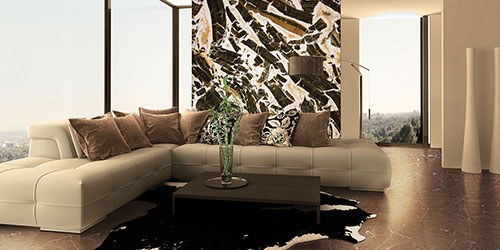
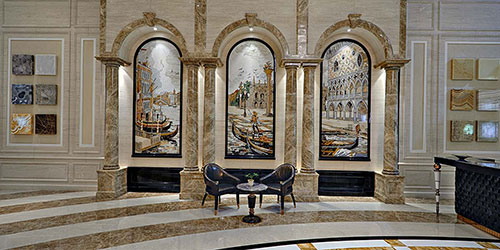
Marble flooring has long been revered for its timeless appeal, but its significance extends beyond aesthetics. Today, architects are embracing this noble material for its environmental benefits. Marble is a product of the Earth's geological processes, making it a naturally occurring resource that can be responsibly extracted and utilised.
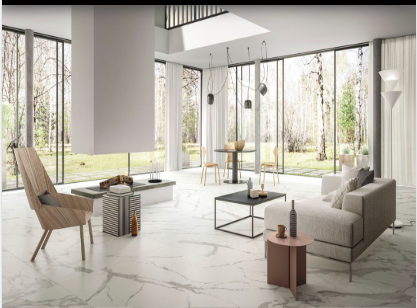
One of the primary reasons why architects lean towards Statuario marble floor slabs in sustainable projects is their durability. Marble is renowned for its longevity, with structures adorned in marble enduring the test of time. This resilience minimises the need for frequent replacements or renovations, ultimately reducing the environmental impact of constant material consumption.
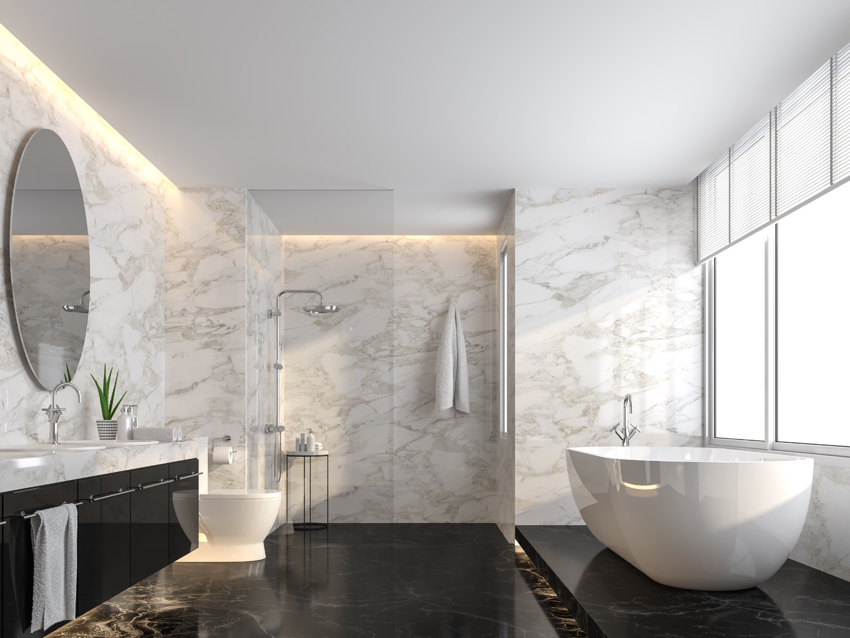
In the pursuit of sustainable architecture, energy efficiency takes precedence. Here, marble plays a vital role. The thermal mass of marble contributes to temperature regulation within a building, absorbing and releasing heat gradually. This natural insulation property lessens the reliance on artificial heating or cooling systems, thereby decreasing energy consumption and fostering a more sustainable living environment.
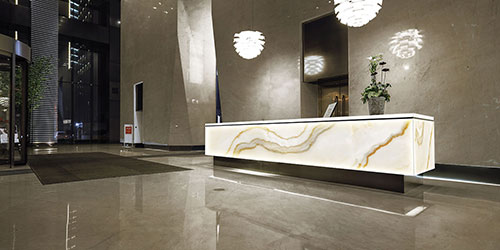
Moreover, using marble in sustainable architecture aligns with the principles of responsible sourcing. Opting for White Onyx marble implies a commitment to ethical practices, ensuring that the material is extracted in a manner that respects both the environment and local communities. This conscious decision not only upholds environmental integrity but also supports the livelihoods of those involved in the marble extraction industry.
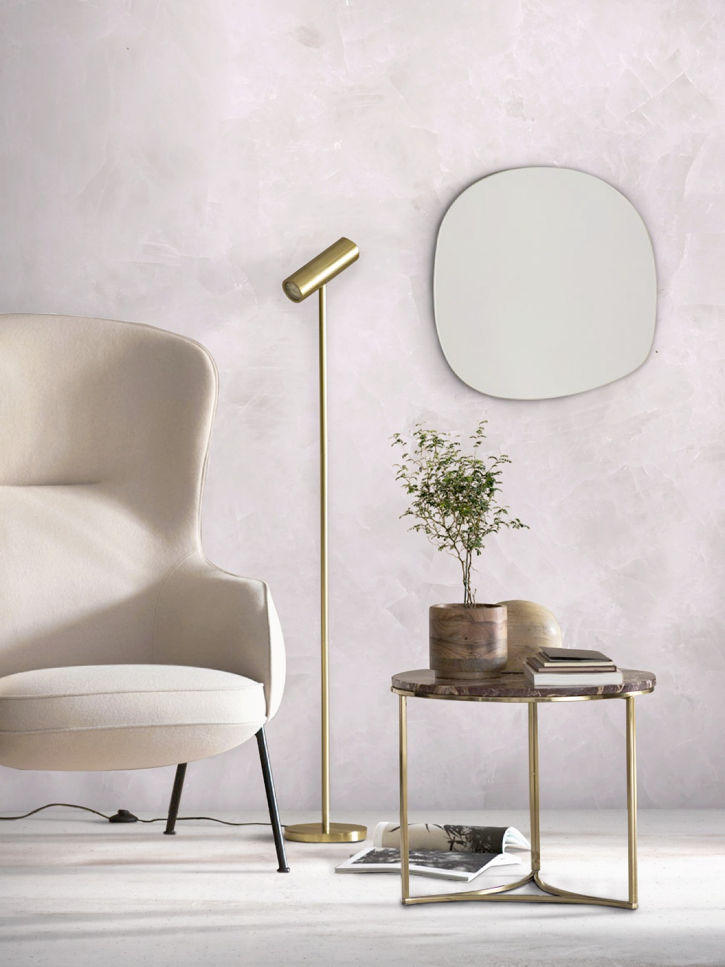
When considering the life cycle of materials, marble emerges as an eco-friendly contender. Its low maintenance requirements reduces the need for harsh cleaning chemicals, and the material itself can be recycled or repurposed. This circular approach to design mirrors the ethos of sustainable architecture, where every element is chosen with a mindful eye on its environmental impact.
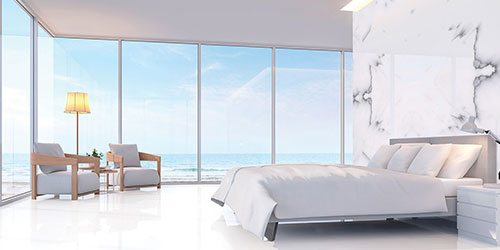
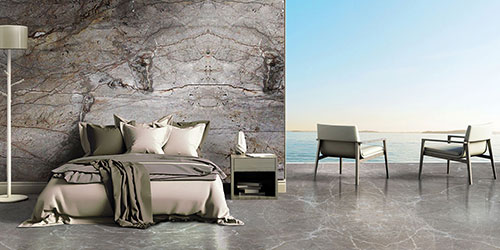
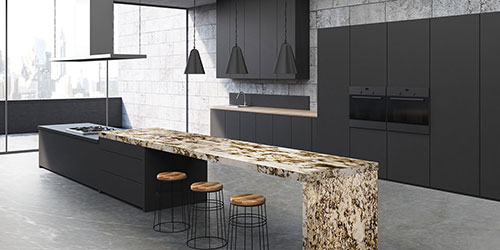
In practical terms, integrating marble into sustainable architectural designs extends beyond marble flooring. Architects are exploring innovative applications, from accent walls to countertops, harnessing the versatility of this natural stone. By doing so, they not only elevate the aesthetic appeal of a space but also contribute to the sustainability narrative.
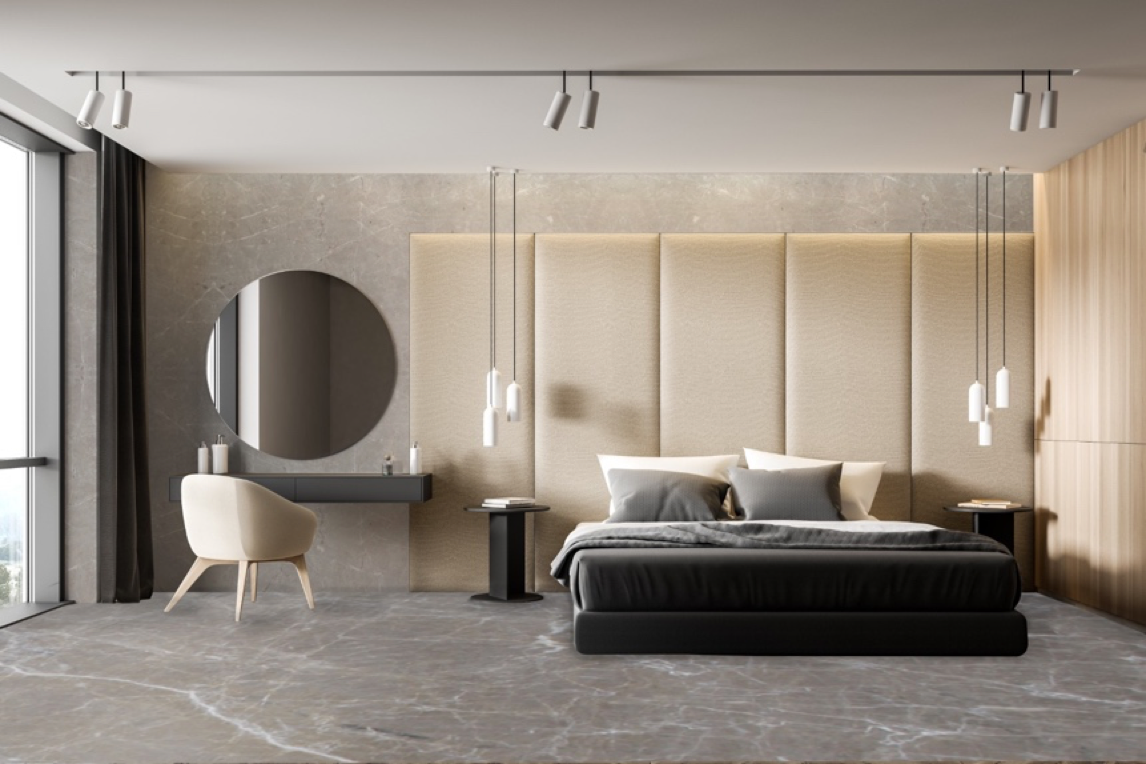
The role of marble in sustainable architecture is profound and multifaceted. Its elegance and durability are a cornerstone in creating eco-conscious living spaces. As the architectural community continues to explore ways to build responsibly, the timeless beauty of marble intertwines with the contemporary ethos of sustainability, leaving an indelible mark on the green footprint of the future.


Sitemap
- Newsletter
- Catalouge
- Gallery
- Legal & Privacy
- Career
- Share
- Media
- News & Events
- Press Coverage
- Blogs
- Awards
- Signature
- Thasos White
- White Venezuela
- Swiss White
- Rosso Portugal
- Afyon White
- Michel Angelo
- Brazilian White
- Pristine
- Sivec White
- Bianco Scala
- Ari Stone White
- Panda White
- Statuario Toh
- Metallica White
- Golden Spider
- Classique
- De Martino
- Bottichino
- Perlato Sicilia
- Perlato Royal
- Extra Light
- Crema Marfil
- Bianco Marfil
- Virtual Applicator
- Kitchen
- Bathroom
- Bedroom
- Clientele
- Clients
- Testimonial
- Melange
- Red Lavante
- Red Chigani
- Red Verona
- Enigma
- Nero Saint Laurent
- Belgium Black
- Silver Portoro
- Umber
- Dorato Travertino
- Titanium Travertino
- Beige Travertino
- Rustica
- Blue Pearl
- Black Pearl
- Antique Brown
- Exotica
- EXO Brown
- Marinace Black
- Labradorite
- Opera
- Blue Onyx
- Pink Onyx
- Beige Onyx
- Bejewel
- Mother Of Pearl
- Black Mother Of Pearl
- Tiger Eye Black
- Contact
- RAJASTHAN
- NEW DELHI
- GURGAON
- AHMEDABAD
- Exotica
- EXO Brown
- Marinace Black
- Labradorite
- Opera
- Blue Onyx
- Pink Onyx
- Beige Onyx
- Bejewel
- Mother Of Pearl
- Black Mother Of Pearl
- Tiger Eye Black
- Avant Garde
- Brazilian Moon Face
- Statuario Moon Face
- Snow White
- Marble Art Decor
- Array of Emotions
- Avighna
- Humming The Harmony
